
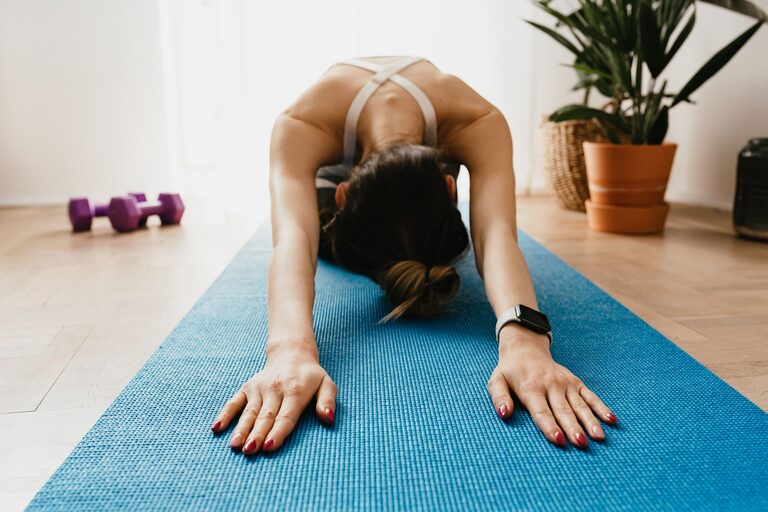
Stretching is a simple yet powerful way to improve your flexibility, reduce muscle tension, and enhance your overall physical well-being. Whether you’re new to physical activity or just looking for a gentle way to stay active, stretching at home is an accessible and effective practice. This beginner’s guide will walk you through the basics of stretching, provide safe and easy exercises, and offer tips to make stretching a rewarding part of your daily routine.
Why Stretching Matters
Stretching helps lengthen your muscles and increase your range of motion. This can lead to better posture, reduced risk of injury, and decreased muscle stiffness. Regular stretching can also promote relaxation and stress relief, making it a beneficial habit for both your body and mind.
When and How to Stretch
Best Times to Stretch
– After waking up to loosen your muscles
– Before exercise to prepare your body
– After exercise to cool down and reduce soreness
– During breaks if you sit for long periods
Important Tips for Stretching Safely
– Warm up your body first with light activity, like walking or marching in place, for 5 minutes.
– Stretch slowly and gently; avoid bouncing or sudden movements.
– Hold each stretch for 15 to 30 seconds.
– Breathe deeply and steadily while stretching.
– Never stretch to the point of pain; mild tension is enough.
– Consistency is key—stretch regularly for the best results.
Basic Stretching Exercises for Beginners
Here are six simple stretches that target major muscle groups. Perform each on both sides when applicable.
1. Neck Stretch
– Sit or stand tall.
– Slowly tilt your head to the right, bringing your right ear toward your shoulder.
– Hold for 20 seconds.
– Repeat on the left side.
Benefits: Relieves neck tension often caused by desk work or phone use.
2. Shoulder Stretch
– Extend your right arm straight across your chest.
– Use your left hand to gently press your right arm toward your chest.
– Hold for 20 seconds.
– Switch arms.
Benefits: Opens up tight shoulders and improves upper back flexibility.
3. Chest Stretch
– Stand tall, clasp your hands behind your back.
– Straighten your arms and gently lift your chest.
– Hold for 20 seconds.
Benefits: Counteracts rounded shoulders and improves posture.
4. Seated Hamstring Stretch
– Sit on the floor with your right leg extended and left leg bent so the sole touches the inner thigh of the right leg.
– Reach toward your right toes without forcing.
– Hold for 20 seconds.
– Switch legs.
Benefits: Increases flexibility in the back of your thighs and reduces lower back strain.
5. Cat-Cow Stretch (Spine Mobility)
– Start on hands and knees in a tabletop position.
– Inhale, arch your back (cow pose), lifting your head and tailbone upward.
– Exhale, round your spine (cat pose), tucking your chin and pelvis.
– Repeat 5 times slowly.
Benefits: Promotes spine flexibility and relieves tension in the back.
6. Calf Stretch
– Stand facing a wall with hands on the wall.
– Step your right foot back, keeping it flat on the floor.
– Bend the left knee and lean toward the wall until you feel a stretch in your right calf.
– Hold for 20 seconds.
– Switch legs.
Benefits: Helps prevent tight calves and improves ankle mobility.
Creating Your Stretching Routine
Consistency is key when it comes to stretching. Here’s an easy plan to get started:
– Frequency: Aim to stretch 3-5 times per week.
– Duration: Spend about 10-15 minutes on each session.
– Variety: Include stretches that target all major muscle groups.
– Environment: Choose a quiet, comfortable space with enough room to move freely.
You can also combine stretching with other activities like yoga or light cardio to enhance flexibility and overall fitness.
Common Stretching Mistakes to Avoid
– Holding your breath: Remember to breathe deeply to help your muscles relax.
– Bouncing: Avoid rapid movements that can cause muscle strain.
– Ignoring pain: Slight discomfort is normal, but pain means stop immediately.
– Skipping warm-up: Stretching cold muscles increases injury risk.
Benefits Beyond Flexibility
Stretching offers more than just improved muscle length. It can help:
– Improve circulation
– Enhance coordination and balance
– Reduce muscle soreness after activity
– Promote relaxation and reduce stress
By making stretching a part of your home routine, you’ll likely notice improvements in how your body feels day to day.
Final Thoughts
Starting a stretching routine at home is a practical and enjoyable way to care for your body. With just a few minutes each day, you can increase your flexibility, ease muscle tension, and boost your overall wellness. Remember to listen to your body and progress at your own pace. Soon, stretching will feel like a natural and rewarding part of your lifestyle.
Happy stretching!
About the Author